
The Milan–Cortina 2026 Winter Olympics will transform Northern Italy into one giant winter stage. From modern arenas in Milan to snow-covered peaks around Cortina d’Ampezzo, the event spreads across several regions. Visitors won’t just watch world-class athletes. They’ll also experience Italian cities, mountain villages, and legendary ski resorts.
If you’re thinking about attending the Games, planning ahead will make everything easier. This Milan–Cortina 2026 Winter Olympics guide: destinations, venues, and how to plan your trip walks you through venues, travel logistics, tickets, and itinerary ideas. By the end, you’ll know where to stay, how to move between events, and how to turn the Olympics into an unforgettable Italian adventure.
Related Post: 10 Best day trips from Milan by train
Where the Games will take place
Unlike many Olympic editions hosted in one city, the competitions will stretch across several Northern Italy Olympic destinations. Ice sports happen mostly in Milan while alpine competitions unfold in the mountains around Cortina d’Ampezzo and Valtellina. Nordic sports take place in Val di Fiemme and the biathlon events occur in Anterselva. Finally, the closing ceremony will take place in the historic amphitheater at Arena di Verona.
This distributed model allows athletes to compete in locations that already specialize in their sport. For example, freestyle skiing will happen at the Livigno Snow Park while alpine races take place at the famous Stelvio Ski Centre in Bormio. Nordic disciplines such as ski jumping will unfold at the Predazzo Ski Jumping Stadium. As a result, the Olympic events across Northern Italy will showcase both city arenas and iconic alpine landscapes.
Practical tips for planning your Olympic stay
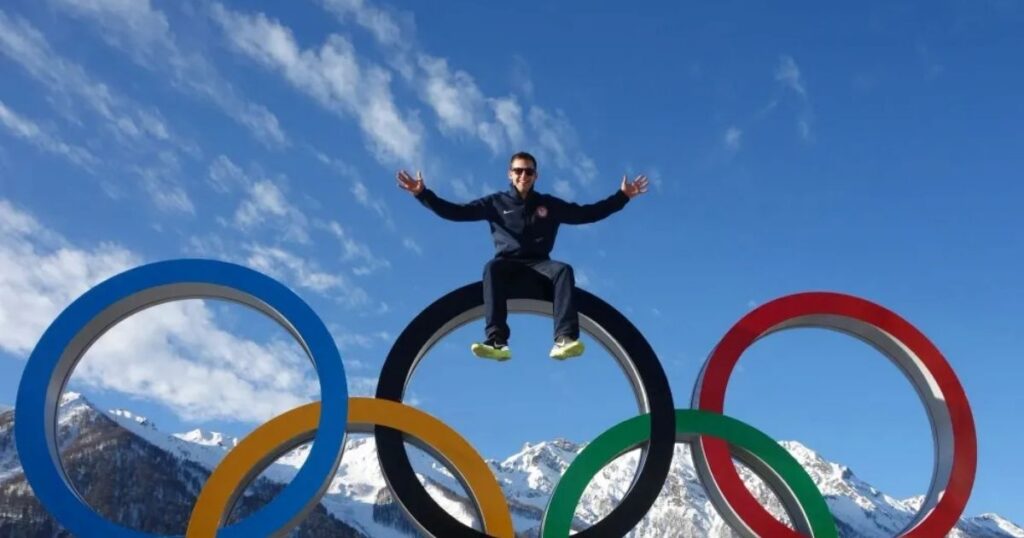
Planning early will save you stress later. Hotels and apartments around major venues tend to sell out months in advance, especially in places like Milan and Cortina d’Ampezzo. If you want the best places to stay for Milan Cortina Olympics events, start researching accommodation as soon as your event tickets are confirmed.
Transportation will also require careful planning. Distances between venues can be longer than expected. Travel between Milan and Cortina Olympics sites may take several hours by car or train. Many travelers prefer splitting their stay between two locations instead of commuting long distances every day.
Choosing your base
Where you stay can shape your entire Olympic experience. Some venues cluster around the city while others sit deep in the Alps. Choosing the best base for Milan Cortina Winter Games events depends on which competitions you want to watch and whether you prefer city culture or mountain scenery.
Milan
Milan sits at the heart of the Games. Many Olympic venues in Milan host ice sports including hockey, figure skating, and speed skating. The spectacular opening ceremony will take place at San Siro Stadium while major competitions happen in arenas such as Milano Santa Giulia Arena.
Beyond sports, Milan offers excellent restaurants, historic architecture, and a lively nightlife. Between events you can visit the Duomo di Milano or explore the canals in the Navigli District. Many visitors treat Milan as their base for Olympic travel planning in Italy.
Get your free Milan guide for the 2026 Olympics!
A dedicated Milan winter travel guide can help you navigate the city during the Games. It usually includes Olympic venue maps, public transportation tips, and advice on local restaurants near stadiums.
Since Milan will host several major events, learning the Milan Olympic stadium locations ahead of time will save you hours during competition days.
Cortina d’Ampezzo
If you love mountain scenery, staying in Cortina d’Ampezzo might be perfect. This iconic ski town will host alpine skiing competitions and sliding sports at the Cortina Sliding Centre.
Visitors can combine watching Cortina d’Ampezzo ski competitions with skiing in the Dolomites during Olympics downtime. Many travelers come specifically for the alpine experience and the dramatic peaks of the Dolomites.
Valtellina (Bormio & Livigno)
The alpine valley of Valtellina will host several thrilling competitions. Downhill and ski mountaineering races take place at the famous Stelvio Ski Centre in Bormio while freestyle skiing unfolds at the Livigno Snow Park.
This region is perfect for visitors who want ski resorts near Olympic venues Italy is known for. After a day on the slopes you can relax in Bormio’s thermal baths or enjoy the lively atmosphere of Livigno.
Verona
Although most competitions occur elsewhere, Verona will host the final celebration. The closing ceremony inside the historic Arena di Verona will conclude the Games with a spectacular event.
However, Verona isn’t ideal as a main base if you plan to attend multiple competitions. It works best as a short stop during a broader Northern Italy winter travel itinerary.
Tickets and program
Tickets for the Milan–Cortina 2026 Winter Olympics guide: destinations, venues, and how to plan your trip are sold exclusively through the official Olympic ticket sales platform. Each ticket is nominative which means the buyer’s name appears on the pass.
Most spectators can purchase up to 25 tickets in total and several per session. High demand events such as the opening ceremony often sell out quickly. Checking the February 2026 Winter Games schedule early will help you organize your days efficiently.
Entry requirements
For many travelers, entering Italy is straightforward. Visitors from countries such as the United States, Canada, and the United Kingdom can usually stay in the Schengen Area for up to 90 days without a visa.
Even so, check your passport validity before departure. Airlines may also request travel documentation when you travel to Italy for the Winter Olympics.
What to expect during the Games
The Olympic atmosphere will be electric across Northern Italy. Cities and mountain resorts will host fan zones, cultural events, and celebrations throughout the competition period.
At the same time, visitors should prepare for winter weather and busy transportation networks. A little planning goes a long way toward enjoying the Games comfortably.
Travel reality
Distances between venues can surprise first-time visitors. For example, driving from Milan to Cortina d’Ampezzo can take five to six hours depending on weather.
Because of this, many fans attend events in one region before moving to another base later in the trip.
Safety
Italy remains one of Europe’s safer travel destinations. Still, basic precautions help avoid problems. Keep valuables secure in crowded train stations and tourist areas.
Using official transportation between Olympic venues Italy will organize during the Games also helps travelers move safely.
Crowds & prices
Demand will be enormous. Hotels near Olympic venues may double their usual winter prices. Booking early often means better rates and more accommodation choices.
Restaurants and trains will also become busier as the opening ceremony approaches.
Weather
February is true winter in Northern Italy. Cities like Milan hover around 0°C while alpine venues often drop below freezing.
Warm layers, waterproof boots, and gloves will make long outdoor events much more comfortable.
Atmosphere
The atmosphere might become the highlight of your trip. Fans from around the world will gather in piazzas, ski resorts, and Olympic arenas. Music, celebrations, and national flags will fill the streets throughout the event.
For many visitors, the energy surrounding the Games becomes just as memorable as the competitions themselves.
How to combine the Olympics with a Northern Italy trip
Many travelers turn the Olympics into a broader Italian vacation. The Games take place near some of the country’s most beautiful destinations including the lakes, historic cities, and alpine valleys.
With good planning, you can attend Olympic events and still explore famous places like Venice, Florence, and Rome.
Short trips (5–7 days)
A short itinerary usually focuses on one region. Many travelers stay in Milan for a few days to watch events before taking a train to Venice.
Another option combines Cortina skiing and Olympic events with a brief visit to Venice afterward. This approach allows you to experience both mountain landscapes and historic canals.
Longer trips (10–14 days)
With two weeks, visitors can create a full Northern Italy winter travel itinerary. One popular route starts in Milan then continues to Verona and the Dolomites.
Another itinerary includes Milan, Bologna, Florence, and Rome. This journey combines Olympic events with Italy’s most famous cultural landmarks.
Need a hand putting it all together? I’ve got you!
Planning a trip across multiple Olympic destinations can feel overwhelming. Travel routes, tickets, accommodations, and schedules must all fit together.
Working with a travel planner or building a detailed itinerary early will make the entire experience smoother and far more enjoyable.
FAQ’s
When are the Milan–Cortina 2026 Winter Olympics?
The Olympics will take place from February 6–22, 2026, followed by the Paralympics from March 6–15, 2026.
Where are the 2026 Winter Olympics being held?
Events occur across Northern Italy including Milan, Cortina d’Ampezzo, Valtellina, Val di Fiemme, and Verona.
How can I buy tickets for the Olympics?
Tickets are available only through the official Olympic ticket sales platform.
Should I stay in Milan or Cortina?
Choose Milan for ice sports and ceremonies. Stay in Cortina if you want mountain events and skiing.
Can I explore Italy during the Olympics?
Yes. Many visitors combine competitions with trips to Venice, Lake Como, Florence, or Rome.
Conclusion
The Milan–Cortina 2026 Winter Olympics guide: destinations, venues, and how to plan your trip highlights just how unique this edition of the Games will be. Few Olympic events combine vibrant cities, legendary ski resorts, and UNESCO-listed mountain landscapes in the same region.
If you plan early, choose your base wisely, and organize transportation between venues, the experience can become far more than a sporting trip. It becomes a journey through some of Italy’s most beautiful winter destinations.

Dylan Hart is a travel writer who explores hidden destinations and local cultures across the globe. With years of adventure experience, he blends storytelling with practical travel tips to help readers plan authentic journeys. His goal is to inspire mindful, well-informed exploration rooted in real experiences and expert insight.