
You’ve probably heard people rave about Costa Rica. But until you actually stand in a misty cloud forest, watch a sea turtle crawl up a moonlit beach, or zip-line above a rainforest canopy, you don’t truly get it. Costa Rica ecotourism isn’t just a travel trend it’s a living, breathing model for how the world should treat its natural spaces.
The country protects approximately 28% of its land as national parks, reserves, and wildlife refuges. Sacred Treks And it contains about 5% of the world’s biodiversity despite occupying only 0.03% of Earth’s surface. Sacred Treks Those numbers alone should tell you this place is extraordinary.
Related Post: Polluru waterfalls | Tips, Accommodation and places to visit
History of Costa Rica and Ecotourism
Costa Rica didn’t stumble into sustainability by accident it chose it. In 1969, the country began designating its first protected areas, reversing policies stretching back to the early 1800s that had favored forest-clearing agribusiness. Mongabay That was a bold move, and it set the tone for everything that followed.
Ecotourism in Costa Rica started in the 1960s when only 25% of the once entirely forested country remained untouched. Entrepreneurs were curious about how the country could preserve the forest in a way that earned more money than logging it. The Borgen Project Their answer? Build lodges, welcome curious travelers, and show the world that nature is worth more alive than cut down. The country successfully reversed deforestation, increasing forest cover from a low of 21% in 1987 to over 59.4% in 2020 making it the first tropical country to reverse deforestation according to the World Bank. Sacred Treks
Monteverde Cloud Forest Reserve
If there’s one place that defines Costa Rica’s rainforest experience, it’s Monteverde. Nestled in the Tilarán Mountains, this reserve pulls you into a world of mist, silence, and staggering life. You’ll share trails with resplendent quetzals, howler monkeys, and hundreds of orchid species clinging to ancient trees.
The reserve’s roots go back to the 1950s, when Quaker settlers chose this region specifically to avoid military service in the United States. They recognized what they had and committed to protecting it. Today, that decision reads like accidental genius Monteverde is one of the most visited and celebrated examples of Costa Rica sustainable travel on the planet.
Planning a Trip to Costa Rica? Check Out These Helpful Services
Before you book anything, it’s worth knowing what you’re walking into. Costa Rica isn’t a destination you can wing. The country’s regions vary wildly in climate, terrain, and wildlife activity by season. A little planning goes a long way.
The dry season (December to April) is the most popular window for visiting, especially for Pacific coast beaches and volcano hikes. The green season (May to November) brings lush landscapes, fewer crowds, and lower prices but also rain, particularly on the Caribbean side. Many experienced travelers actually prefer this quieter season for a more authentic Costa Rica rainforest experience.
Manuel Antonio National Park
Manuel Antonio might be small, but it punches well above its weight. This Pacific coast park blends white-sand beaches with dense jungle in a way that feels almost theatrical. Capuchin monkeys will stare you down from treetops. Sloths doze in plain sight. Scarlet macaws swoop overhead like they’re showing off.
Established in 1972, Manuel Antonio was one of the earliest examples of Costa Rica’s commitment to marine and coastal conservation. It’s a top pick for families and first-time visitors, largely because wildlife here is incredibly accessible. Don’t expect solitude, though the park welcomes over 100,000 visitors a year, so arriving early makes a real difference.
Tortuguero National Park
Tortuguero sits on Costa Rica’s Caribbean coast, and it’s genuinely unlike anywhere else in the country. There are no roads in. You arrive by boat or small plane, which immediately signals that this experience isn’t going to be ordinary.
Sea turtle conservation in Tortuguero is the park’s defining mission. Green sea turtles, leatherbacks, and hawksbills all nest here. Visiting during nesting season typically July through October means you might witness a giant turtle hauling herself up the beach under a sky full of stars to lay her eggs. It’s the kind of moment that changes how you think about wildlife conservation in Costa Rica.
Poás Volcano National Park
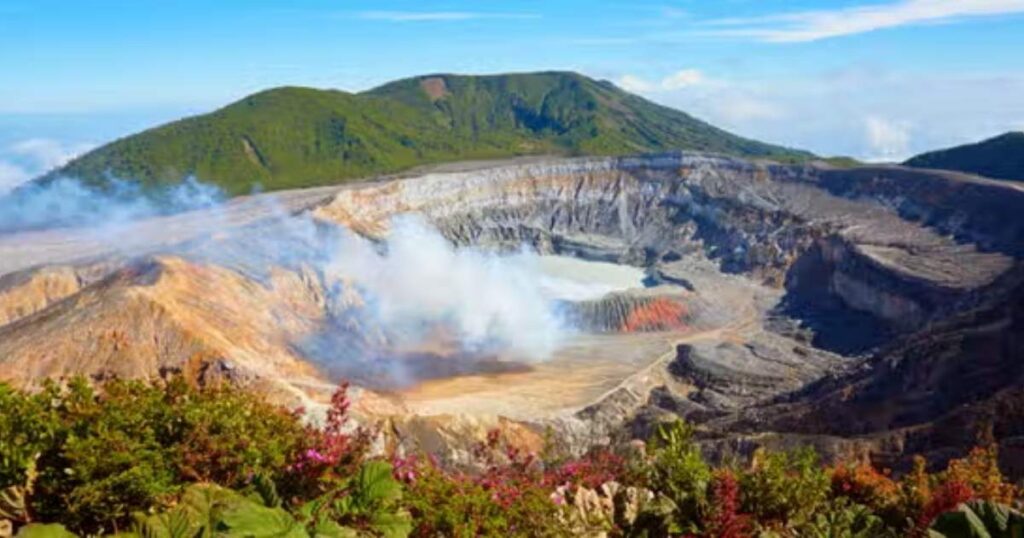
About 15 miles north of Alajuela, Poás Volcano National Park offers one of the most dramatic crater views in Central America. The main crater holds the Laguna Caliente, a turquoise-green acid lake that bubbles and steams like something from another planet. On clear mornings, you can peer right down into it.
The park was closed for a period following increased activity in 2017, but it’s since reopened with new visitor protocols that actually make the experience safer and more organized. The surrounding cloud forest is thick with Costa Rica bird watching opportunities, including hummingbirds and quetzals. It’s an easy day trip from San José that rewards you with views most people never forget.
Doka Plantation Four Generations Coffee Tour
Just five miles from Alajuela, the Doka Estate offers a window into one of Costa Rica’s oldest industries. This family-run plantation has been producing coffee for four generations, and the tour walks you through every step from hand-picking ripe red berries to sorting, drying, roasting, and packaging.
Costa Rica’s coffee is exported worldwide for good reason. The high-altitude farms, mineral-rich volcanic soil, and careful processing methods produce some of the cleanest, most complex cups you’ll ever taste. Doka lets you compare varietals side by side and sends you home with a bag as a souvenir. For eco-conscious travelers, it’s a satisfying reminder that sustainable farming and world-class quality aren’t mutually exclusive.
Arenal Volcano National Park
Arenal is the most iconic image in Costa Rica’s tourism playbook a perfectly conical volcano rising from the jungle, with hot springs at its base and ziplines threading through the trees around it. The town of La Fortuna sits at its foot and has grown into a well-organized eco-tourism hub that balances accessibility with environmental responsibility.
The volcano itself is currently in a resting phase, which means no lava flows but the landscape it shaped is spectacular regardless. Hanging bridges through the cloud forest, kayaking on Lake Arenal, and soaking in natural hot springs fed by geothermal heat are among the best activities here. Arenal Volcano National Park activities range from mellow to genuinely adventurous, making it one of the most versatile spots in the country.
Rincón de la Vieja National Park
Rincón de la Vieja is for travelers who want to go a little deeper. Located in the northwestern Guanacaste region, this park is anchored by an active volcano complex and surrounded by an almost otherworldly landscape of fumaroles, bubbling mud pools, hot springs, and powerful waterfalls.
Rincón de la Vieja waterfalls are among the most dramatic in the country and the hike to reach them takes you through dry tropical forest that feels completely different from the jungles elsewhere. Wildlife here includes white-faced capuchin monkeys, coatis, and the impressive kinkajou. It’s remote enough to feel like a real adventure but developed enough to be safely accessible for most travelers.
Corcovado National Park
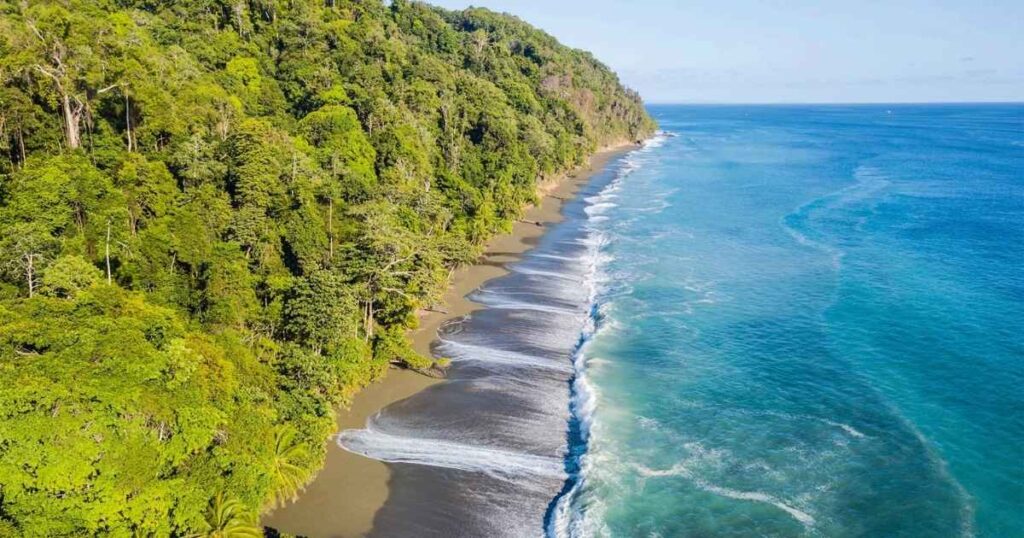
If you’re serious about Costa Rica ecotourism, Corcovado is the ultimate destination. The Osa Peninsula is often cited as the most beautiful part of Costa Rica, home to Corcovado National Park offering pristine rainforests, diverse wildlife, and unspoiled beaches. Patbeland This is old-growth primary forest, largely unchanged for millions of years.
You’ll need a licensed guide to enter the park requires it but that’s actually a gift. Your guide will spot things you’d walk right past: a tapir grazing in a clearing, a harpy eagle perched overhead, a column of leaf-cutter ants carrying their cargo with mechanical precision. The park was established in 1975 to halt rapid deforestation on the Osa Peninsula, and that decision created one of the last true wilderness areas on the Pacific coast of the Americas.
Osa Peninsula and Drake Bay
Drake Bay serves as the main gateway to Corcovado, and it earns a mention all on its own. This remote fishing village on the southwestern tip of Costa Rica has quietly become one of the best bases for Osa Peninsula nature tours, Corcovado rainforest adventure, and serious wildlife watching.
The underwater world here is just as rich as the forests. Drake Bay snorkeling and scuba diving reveal coral reefs teeming with rays, sharks, sea turtles, and schools of tropical fish. Whale watching is also exceptional from July to October, when humpback whales migrate through the surrounding waters. Local communities here have embraced responsible tourism as their economic backbone, making every visit a direct investment in conservation.
Best 1 and 2-Day Eco Tours in Costa Rica
You don’t need two weeks to experience meaningful Costa Rica ecotourism. Some of the country’s best experiences fit neatly into a day or two.
Rancho Margot, Arenal Volcano, Lake Arenal
Rancho Margot is a fully self-sustaining farm and learning center near Lake Arenal and it’s one of those rare places that actually lives up to its own pitch. The ranch generates its own electricity through water-powered generators, grows its own organic food, and treats waste on-site. Guided tours walk you through how it all works, connecting sustainable tourism practices to something real and tangible.
Horseback rides from the ranch reach elevated viewpoints over Lake Arenal that you simply can’t access any other way. The restaurant uses produce harvested that morning. Bungalows blend quietly into the landscape. It’s not a resort pretending to be eco-friendly it’s the genuine article.
Sloth Refuge Aviarios del Caribe
About 19 miles south of Limón on the Caribbean coast, the Aviarios del Caribe sloth refuge is one of those experiences that tends to rearrange your priorities. Founded by Judy and Larry Arroyo, this center rescues injured and orphaned sloths, nurses them back to health, and releases them back into the wild when ready.
Tours run around $25 and give you an up-close look at how these animals are cared for at every stage. The resident celebrity is Buttercup, one of the first sloths ever rescued here she was found on a highway as a baby and has lived at the refuge ever since. It’s part wildlife rehabilitation, part education, and entirely unforgettable.
Ecotourist Activities in Costa Rica
Costa Rica’s activity list is genuinely long. Here’s a quick overview of what you can expect:
| Activity | What to Expect |
| Bird Watching | Over 900 species including quetzals and scarlet macaws |
| Canopy Ziplines | Forest canopy views and adrenaline in equal measure |
| Hiking & Trekking | Volcanic craters, jungle trails, and waterfall routes |
| River Rafting | Calm floats to Class IV rapids depending on location |
| Horseback Riding | Beach and forest routes reaching inaccessible areas |
| Night Tours | Frogs, sloths, and nocturnal insects come alive after dark |
| Snorkeling & Diving | Coral reefs, rays, and whale sharks on both coasts |
| Cultural Experiences | Indigenous communities, coffee farms, and organic ranches |
| Volunteer Programs | Marine conservation, reforestation, and wildlife rehab |
| Botanical Gardens | Medicinal plants, orchids, and tropical flora up close |
Costa Rica jungle trekking and Costa Rica bird watching tours consistently top the list for most travelers. But the beauty here is flexibility you can combine a morning wildlife hike with an afternoon at hot springs and an evening cultural experience, all within a short drive.
Why You Should Focus on Ecotourism
Choosing ecotourism over conventional tourism isn’t just feel-good travel marketing it actually moves the needle. Ecotourism creates approximately 110,000 direct jobs and over 500,000 indirect jobs in Costa Rica, with an estimated 25% of the country’s economically active population employed in tourism-related work. Sacred Treks
More importantly, it funds the conservation that keeps the whole thing going. Revenue from ecotourism has helped establish and maintain 30 national parks, 51 wildlife refuges, 13 forest reserves, and 8 biological reserves. Sacred Treks When you pay a park entrance fee or book an eco lodge, that money has a direct line to the forest you’re standing in.
That said, it’s fair to acknowledge the tension. Some local ecotourism operators worry that mass tourism could undermine what made Costa Rica special in the first place, with the sentiment being “we don’t want more tourism we want better tourism.” Mongabay The takeaway for travelers? Be intentional. Stay in locally owned eco-friendly accommodations in Costa Rica. Hire local guides. Spend in the communities you visit. That’s how responsible tourism actually works.
Conclusion
Costa Rica earned its reputation the hard way through decades of deliberate conservation choices when logging and development would have been far more profitable. The result is a country where Costa Rica ecotourism doesn’t feel manufactured. The wildlife is real, the forests are ancient, and the communities you meet along the way have genuine stakes in protecting what surrounds them.
Whether you’re scanning the canopy for quetzals in Monteverde, watching sea turtles nest at Tortuguero, or hiking into the primordial silence of Corcovado, you’re participating in something bigger than a vacation. You’re part of an ecosystem economic and ecological that depends on travelers like you showing up with curiosity, care, and a willingness to spend thoughtfully. Costa Rica doesn’t just offer a great trip. It offers a reason to travel better.

Dylan Hart is a travel writer who explores hidden destinations and local cultures across the globe. With years of adventure experience, he blends storytelling with practical travel tips to help readers plan authentic journeys. His goal is to inspire mindful, well-informed exploration rooted in real experiences and expert insight.